Best Beginner Bikes in Projeto Grau 2

Rafael Santos
Mobile Game Reviewer
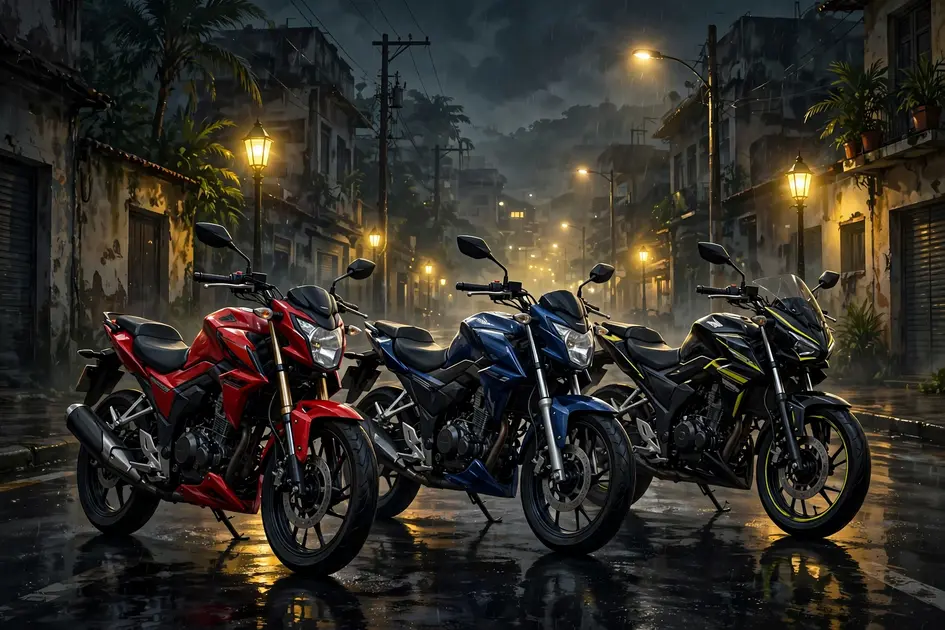
Your first bike in this game decides how fast you learn. Pick wrong and you will spend your first hours fighting the machine instead of learning the streets. Pick right and the game clicks: wheelies feel possible, jobs pay out, and every session teaches you something. This guide breaks down what actually matters in a starter bike.
What Makes a Good Starter Bike
Forget top speed. The three traits that matter for beginners are stability, forgiveness and repair cost. Stability keeps the bike calm when you make sloppy inputs. Forgiveness means the wheelie balance point is wide, so small throttle mistakes do not end in a crash. Cheap repairs mean every mistake costs you minutes, not your whole wallet. The fastest starter is rarely the best starter. New riders can get the Projeto Grau 2 APK from the official site and test all three starter classes before committing to one.
The Balanced All-Rounder: Your Safest Pick
The middle-of-the-road starter is the one most veterans recommend. It is not the fastest and not the flashiest, but it holds a wheelie predictably and recovers from wobbles that would throw a twitchier bike. Spend your first hours on this class of machine doing delivery jobs from our money guide and you will build fundamentals that transfer to every bike you ever buy.
The Nimble Lightweight: For Future Stunt Riders
If you already know you want to be a wheelie specialist, the lightest starter is worth a look. It turns faster and lifts the front wheel with less effort, which makes learning the balance point easier. The tradeoff is straight-line stability: at high speed it gets nervous. Pair this choice with our wheelie guide and practice in the empty industrial zone before taking it into traffic.
The Workhorse: For Grinders
Some starters are built for jobs, not stunts. Bigger fuel range, tougher frame, cheaper parts. If your plan is to grind delivery and service jobs for the first ten hours and buy your dream bike with cash, this is the smart economic pick. You will earn back its price twice over before you outgrow it, and the daily missions pay the same no matter what you ride.
What NOT to Buy First
Skip the premium-looking starter that costs three times more. It is a trap: marginally better stats, massively higher repair bills, and it teaches you nothing the basic bike cannot. Also skip anything described as "race tuned" in the shop. Race tuning means sharp responses, and sharp responses punish beginners. You can download the game free from our Projeto Grau 2 homepage and test every starter in the first hour anyway.
The Upgrade Path That Makes Sense
Here is the progression most fast learners follow. Starter for the first 4 to 6 hours while you learn wheelies and finish the driving school. Then a mid-tier bike matched to your style: stunt frame for wheelie riders, sport frame for racers, durable frame for job grinders. Only after that should you look at the top shelf. Each step up should feel like a reward, not a rescue from a bad first purchase.
Tuning Matters More Than the Badge
A tuned starter beats a stock mid-tier bike. The dynamometer lets you adjust gearing and suspension cheaply, and those adjustments matter more than brand prestige at this stage. Soften the rear suspension for easier wheelies, lengthen the gearing for calmer highway runs. Our customization guide walks through the dyno settings that transform a basic bike.
Test Before You Commit
The game lets you feel each bike before buying. Do a full lap of your favorite practice area, try one wheelie, one hard brake and one tight turn. The right starter feels boring in the best way: predictable. If a bike surprises you in the test ride, it will surprise you worse in traffic. Trust the boring feeling.
Quick Answers
What is the best first bike in Projeto Grau 2?+
Should beginners buy the fastest bike they can afford?+
When should I upgrade from my starter bike?+
Final Verdict
Start with the forgiving bike, not the fast one. Ten hours on a balanced starter builds the throttle control that makes every future bike feel easy. Upgrade when your skill, not your impatience, tells you to.